
Medical & Psychological Treatment
Treatment Goals & Planning
Digital Therapies
Building a Treatment Team
Treatment Rebates
Medical Monitoring: Routine Check-up
Medical Monitoring: Body Systems
Want to learn more?
InsideOut eLearning
Learn more about eating disorders with our suite of online courses for health professionals.
eLearning
Medical Monitoring: Body Systems
Medical investigations
Medical investigations will need to be tailored to the individual complaints and needs of the person.
Remember: FOOD IS MEDICINE and is the most important treatment available for these conditions.
However, the following may be applicable:
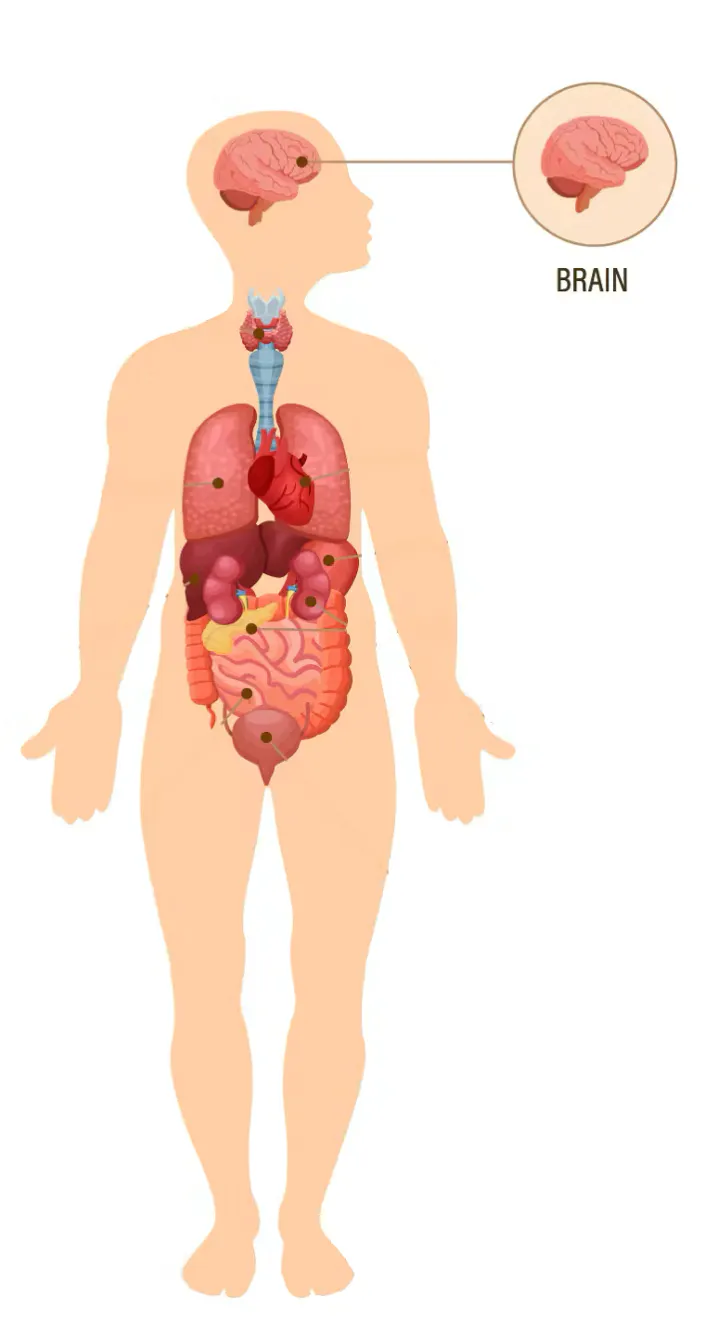
Brain
Watch out for:
Eating disorders commonly co-occur with:
- Anxiety/Depression/OCD
- Emergence of OCD symptoms at low weight
- Personality disorders/AOD/Trauma
- Suicidality
- Pseudo atrophy of brain in long term illness
Quick tips:
- Ensure these are addressed as part of treatment plan
- Develop a safety plan
- Medication - generally not indicated but can be useful for co-morbidities
- Mindfulness-based activities to calm the system
- Relaxation/Mediation/Yoga (ED-informed)
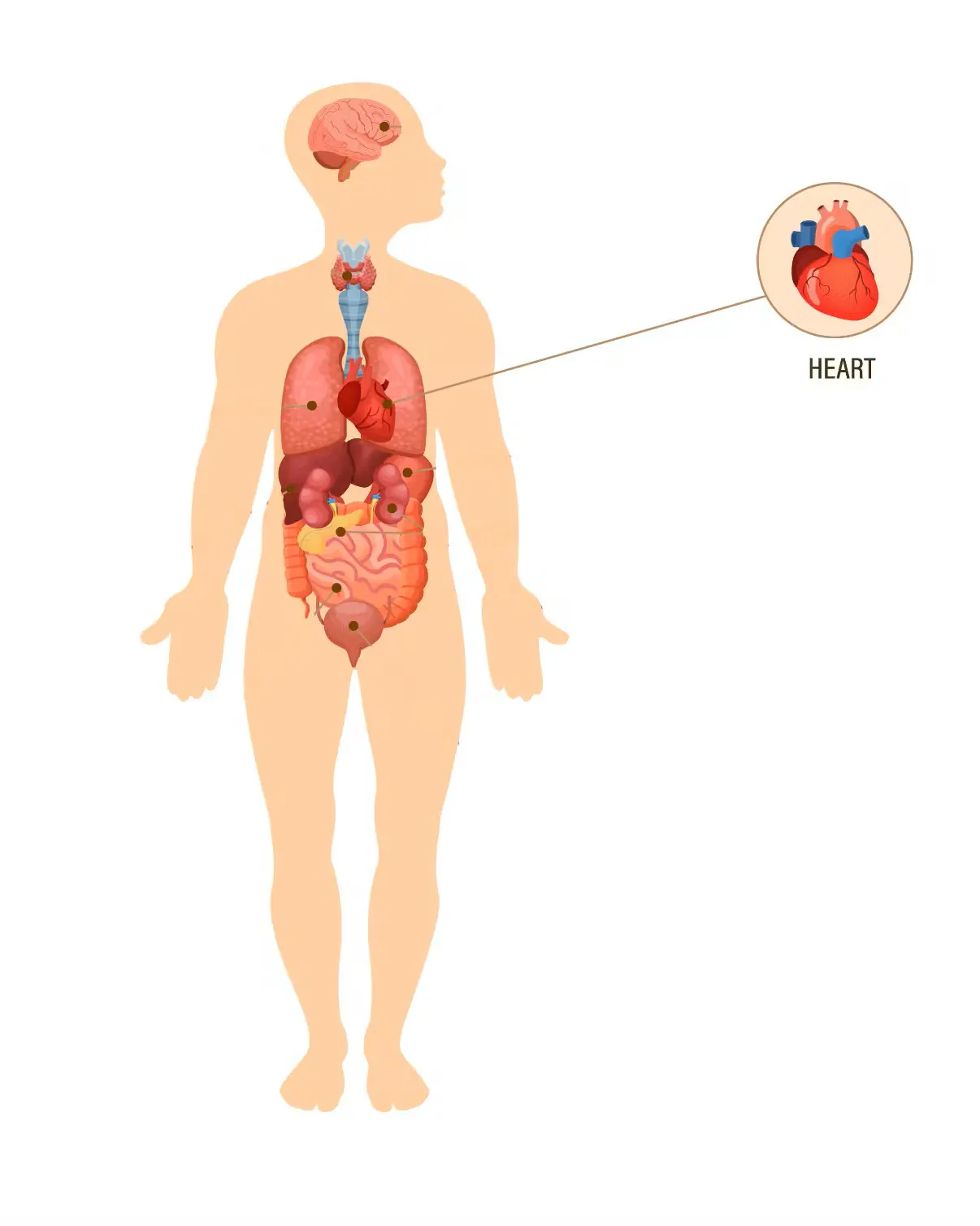
Heart
Watch out for:
- Arrhythmia - esp. hypoglycaemia, long QTc
- Electrolyte disorders esp K, Mg, PO4
- Postural hypotension and bradycardia
Quick tips:
- ECG and bloods - check the (likely) impact of anything you prescribe on QT interval
- Postural BP and HR measurements
- Monitor carefully: Medications, fluid intake, regular eating
- Monitor electrolyte levels during refeeding esp K, PO4, Mg
- Electrolyte replacements and thiamine
- Save Exercise at Every Size guidelines for exercise
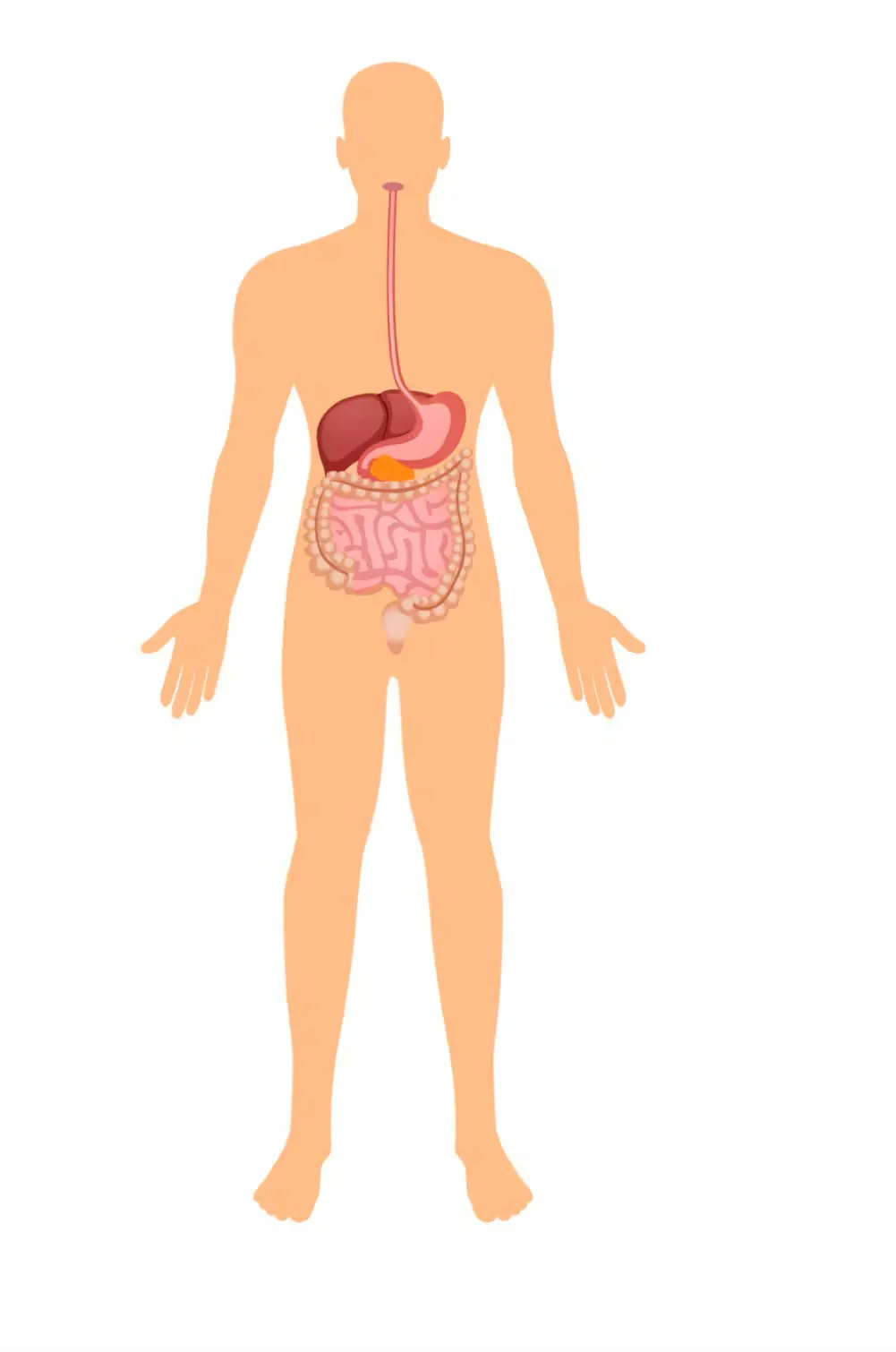
Gastrointestinal
Watch out for:
- Bloating - delayed gastric emptying
- Abdo pain mimicking IBS
- Constipation
- Abnormal LFTs (can be starvation or refeeding)
Quick Tips:
- Maxalon/motilium (watch dose)
- Buscopan/Antacids/PPI
- Probiotics can be explored
- Osmotic laxatives only (osmolax/movicol)
- Lying on right side after meals
Note: these symptoms can be serious roadblocks to recovery and deserve full attention and consideration.
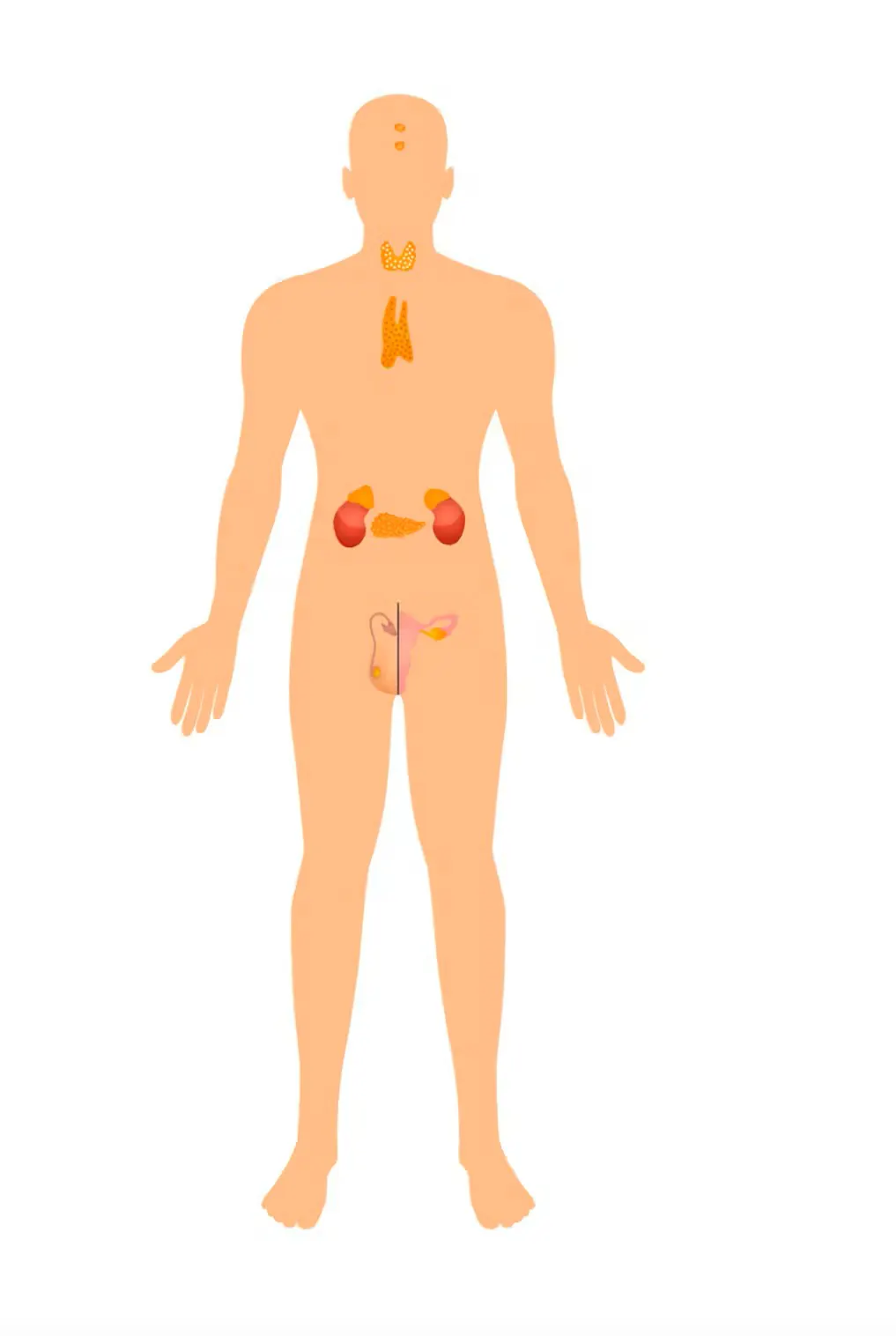
Endocrine
Watch out for:
- Hypothalamic amenorrhea
- Sick euthyroid syndrome - thyroid hormone abnormalities that do not require specific treatment
- Osteopaenia/osteoporosis and fractures
Quick tips:
- BMD
- Consider MHT - topical E2 even if young
- Optimise Ca and Vit D
- Consider contraception and sexual health needs
Refeeding syndrome
Definition |
|
Incidence |
|
Cause |
|
Watch out for |
|
Monitoring |
|
Quick tips |
|
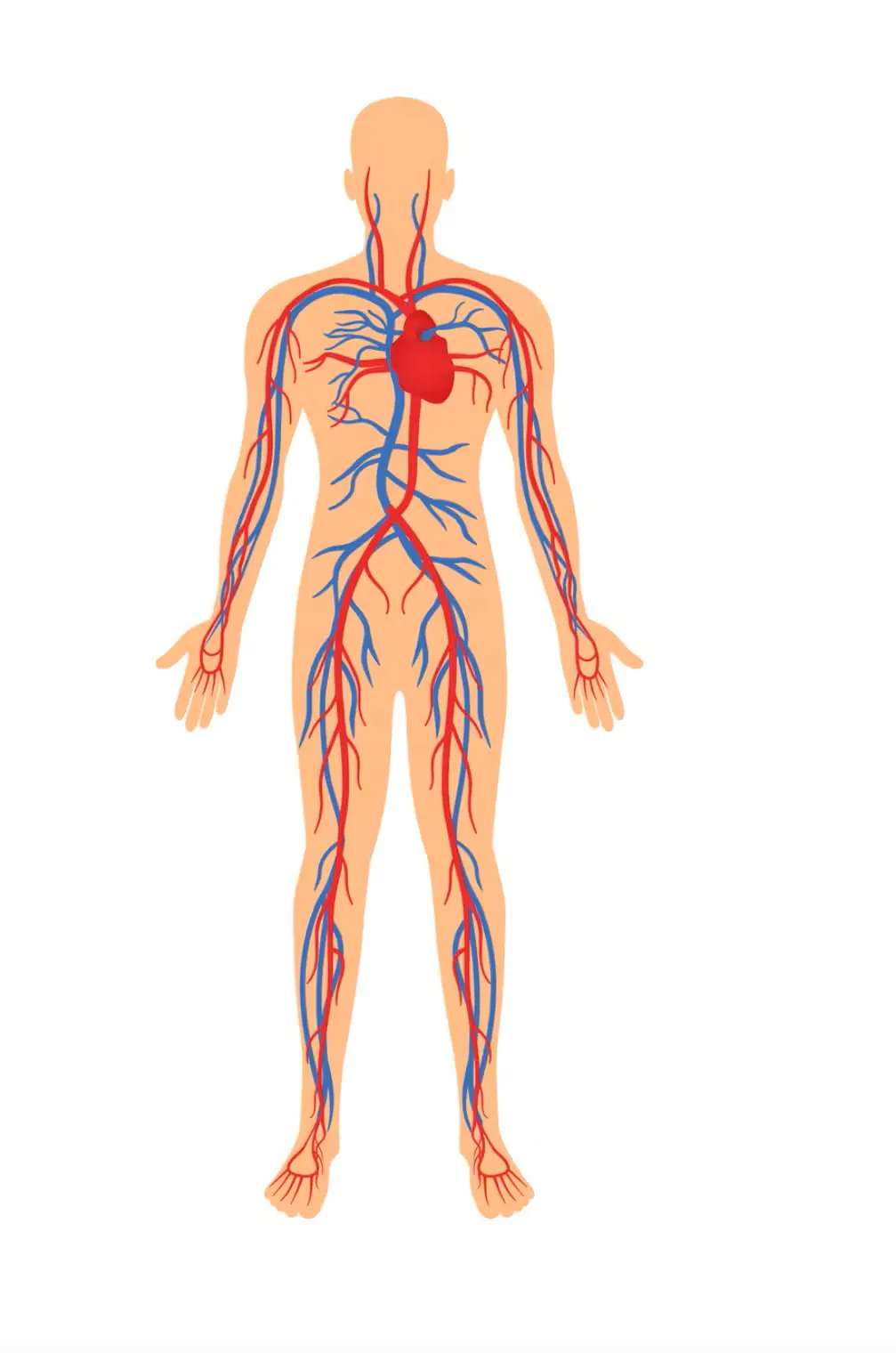
Haematology
Watch out for:
- Anaemia and iron deficiency
- WCC changes - bone marrow suppression
- B12 folate and platelet abnormalities
Quick tips:
- Don't over investigate
- Watch immunity especially bacterial
- Nourish and supplement as appropriate
- Watch for hypophosphataemia if doing iron infusion!
- Ensure appropriate vaccinations
Skin
Watch out for:
- Skin changes
- Dry skin
- Hair loss
Quick tips:
- Watch zinc
- Emollients
Dental
Watch for |
|
What to do |
|
Sleep Disturbances
What to do |
|
Parotids
Watch for |
|
What to do |
|
Sexual Health
What to do |
|